What Are “What to Discard” Problems?
What to discard problems (何切る/Nanikiru) are mahjong practice exercises where you select the most efficient tile to discard from a 14-tile hand (after drawing).
In mahjong, you repeatedly make the decision “which tile to discard” after every draw. This judgment ability is key to improvement, and what-to-discard problems are the perfect training method for developing this skill.
Benefits of Solving What-to-Discard Problems
Improved tile efficiency : Learn to make discards with awareness of acceptance countShape recognition : Develop ability to instantly judge good vs bad shapesPoint awareness : Make discards considering not just efficiency, but also yaku and point valueFaster in-game decisions : Build “patterns” through repetitive practice
Tips for Solving What-to-Discard Problems
1. Find Isolated Tiles
First, look for “isolated tiles” that have no connection to other tiles. Isolated tiles don’t contribute to potential sets, so they’re prime discard candidates.
Priority order for discarding isolated tiles:
Non-valuable honor tiles (guest winds, etc.)Terminal tiles (1 & 9) (can only form penchan)2 & 8 tiles (unlikely to form ryanmen)3-7 tiles (rich in ryanmen possibilities)
2. Find Bad Shapes
Penchan (12 or 89) and kanchan (13 or 46, etc.) are less efficient than ryanmen (23 or 45, etc.).
Shape Type Example Acceptance Ryanmen 8 tiles Kanchan 4 tiles Penchan 4 tiles
If you have ryanmen, discard the bad shapes.
3. Preserve Compound Shapes
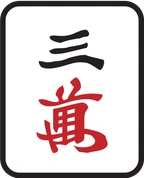
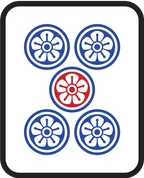
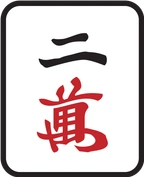
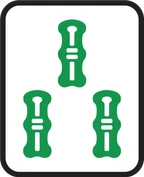
Shapes like
4. Consider Point Value
Don’t just think about efficiency — consider yaku and point value too. Discarding dora should be a last resort.
Challenge the What-to-Discard Problems
Click on the tiles below to select which tile to discard. The last tile (slightly separated) is the drawn tile.
麻雀 何切る問題
手牌をクリックして、切るべき牌を選んでください。14枚の手牌から1枚を切ります。
初級問題
問題 1 待ち選択 (1)
東3局 南家 4巡目
局面: 序盤
形: シャンテン/1
形: 待ち選択
6sツモにより索子が3s4s5s6sの4連形になりました。ツモ切りなら9s・西のシャンポンテンパイ(9s×2枚+西×2枚=計4枚)を維持できますが、打西で一向聴に戻すと、2s(×4枚)や7s(×4枚)のツモでリャンメンテンパイに変化し、最終待ちも受け8枚と広くなります。シャンポン4枚の薄い即テンより、受け入れ豊富な一向聴からリャンメンテンパイを目指す方が和了率で有利です。【ポイント】薄いシャンポンテンパイに固執せず、好形テンパイへの変化が豊富な一向聴に戻す判断も重要。
答えを見る
次の問題へ
問題 2 待ち選択 (2)
東4局 東家 8巡目
局面: 中盤
形: シャンテン/1
形: 待ち選択
中ツモで中が暗刻になり、手牌は1m2m3m+5p6p7p+2s3s4s+中中中+北北の14枚。既に4面子+1雀頭が揃っており、北を1枚切ればテンパイです。打北で北の単騎待ち(北×3枚)になりますが、中暗刻が確定しており十分な形です。北を雀頭に残す意味はなく、面子にもならない孤立字牌対子は早めに処理しましょう。【ポイント】暗刻が完成したら、面子にならない字牌の対子は不要と判断して切り出す。
答えを見る
次の問題へ
問題 3 ターツ選択 (3)
南1局 1本場 北家 6巡目
局面: 中盤
形: シャンテン/1
形: ターツ選択
3pツモで筒子が3p5p6p7pとなり、3p(5p6p7pに隣接せず孤立気味)を含めたブロック構成を考えます。手牌のターツは1m2m(ペンチャン3m待ち×4枚)、1s2s(ペンチャン3s待ち×4枚)、4s5s6s(完成面子)、東東東(暗刻)。1m2mも1s2sもペンチャンですが、ブロック数が足りているので弱いターツから処理します。打1m(または2m)でペンチャンを払い、3p5p6p7pを3p+5p6p7pまたは将来の変化に活かす方が受け入れが広くなります。【ポイント】ペンチャンはターツの中で最も弱い(受け4枚・端寄り)。ブロックが足りていれば優先的に処理する。
答えを見る
次の問題へ
問題 4 ターツ選択 (4)
南3局 1本場 南家 4巡目
局面: 序盤
形: シャンテン/1
形: ターツ選択
9sツモで7s8s9sの面子が完成しました。これで2s3s4s+7s8s9s+白白(雀頭)+3p4p(ターツ)に加え、3m5m(カンチャン)と6p8p(カンチャン)のどちらかが不要になります。打3m(または5m)で3m5mのカンチャン(4m待ち×4枚)を払い、6p8pのカンチャン(7p待ち×4枚)を残します。受け入れ枚数は同じ4枚ですが、6p8pの7p待ちは中央牌で山に残りやすく有利。また3p4pリャンメン(2p×4枚+5p×4枚=計8枚)が本線なので、カンチャンの優劣で判断します。【ポイント】同じカンチャン同士の比較では、待ち牌がより中央に近い方を残す。
答えを見る
次の問題へ
問題 5 牌効率 (5)
南4局 2本場 西家 5巡目
目的: 牌効率
局面: 序盤
形: シャンテン/1
5sツモで4s5s6sの面子候補ができました。手牌は3m4m5m+2p3p4p+8p8p(雀頭)+4s5s6sで3面子+雀頭が確定しており、残りの東・南・西は全て孤立字牌です。孤立字牌は面子にならず(オタ風で役牌でもない)、どれを切っても受け入れ枚数は変わりません。数牌のくっつきを待つために、字牌を優先的に処理していきましょう。【ポイント】孤立したオタ風は面子にもターツにもならない最も不要な牌。真っ先に切る。
答えを見る
次の問題へ
問題 6 牌効率 (6)
南1局 1本場 南家 5巡目
目的: 牌効率
局面: 序盤
形: シャンテン/1
5pツモで筒子が2p3p4p+5p6p7pの2面子に確定しました。残りは5s6s7s8s(4連形で2ブロック取れる)+白白(雀頭)+1m(孤立)+9m(孤立)。1mも9mも孤立した端牌(老頭牌)で、隣接牌とくっついてもペンチャンにしかなりません(1mなら2mで12mペンチャン、9mなら8mで89mペンチャン)。既にブロックは十分なので、これら孤立端牌を処理します。どちらも同条件ですが、打1mが正解です。【ポイント】孤立した1・9牌はくっつき先がペンチャンのみ。ブロックが足りていれば早めに処理する。
答えを見る
次の問題へ
問題 7 牌効率 (7)
南1局 南家 4巡目
目的: 牌効率
局面: 序盤
形: シャンテン/1
2mツモで萬子が1m2m3mとなり、1m切りなら2m3m(1m-4m待ちリャンメン、1m3枚+4m4枚=7枚)、3m切りでも2m3mは同じリャンメン。一方1m3mのカンチャン(2m待ち3枚)やペンチャン1m2m(3m待ち4枚)は受けが狭い。2m3mのリャンメンを残すのが受け入れ最大で、1mか3mのどちらを切っても正解。【ポイント】ペンチャン・カンチャンよりリャンメンを残すのが牌効率の基本。
答えを見る
次の問題へ
問題 8 トイツ処理 (8)
南2局 1本場 北家 8巡目
局面: 中盤
形: シャンテン/2
形: 対子処理
3sツモで手牌に対子が5組(4m4m・6p6p・8s8s・東東・さらに3sで新ターツ候補)。チートイツも視野に入るが、2m3m・4p5pの順子ターツが既に2つあり面子手の方がテンパイまで近い。東は場風・自風でなければ鳴けず面子化できない不要対子。東を切って面子手に寄せれば、2m3mに1m-4m、4p5pに3p-6pのリャンメン待ちが残り受けが広い。【ポイント】対子過多でも順子ターツが複数あるなら面子手優先、鳴けない字牌対子から処理せよ。
答えを見る
次の問題へ
問題 9 イーシャンテン (9)
東3局 北家 7巡目
局面: 中盤
形: シャンテン/0
形: シャンテン進行
4mツモで2m3m4mが完成しテンパイ。索子は3s4s+6s7s8s9sの6枚で、9sを切ると3s4s(2s-5sリャンメン待ち)+6s7s8s(面子)の形になり、2s(4枚)+5s(4枚)=受入8枚の好形テンパイ。6s切りでも同じ2s-5s待ち8枚だが、9sは端牌で他家への放銃リスクが低く先に処理する方が得。一方3sを切ると4s+6s7s8s9sとなり、7s8s9s面子+4s6sカンチャンの5s待ち(4枚のみ)に減る。【ポイント】テンパイ時は待ちの受入枚数を比較し、リャンメン(8枚)>カンチャン(4枚)の原則を徹底する。
答えを見る
次の問題へ
問題 10 くっつき (10)
南4局 北家 7巡目
局面: 中盤
形: シャンテン/0
形: くっつき
5mツモで手牌は3面子(2m3m4m・6p7p8p)+東暗刻+索子3s4s5s6s(4連形)+浮き5m。4連形は1面子+1浮き牌に分かれるため、3sか6sのどちらかが浮く。5mは中張牌で4m(3枚)・6m(4枚)の計7枚にくっつく。6sを切ると浮き5mのくっつき先が7枚、3sを切っても同様。一方5mを切ると3s4s5s6sの4連形だけが残り待ちが限定される。中張牌の5mを残し、4連形の端(3sか6s)を切ってくっつきテンパイに構えるのが正解。【ポイント】くっつきテンパイでは、より多くの牌と隣接する中張牌の浮き牌を残せ。
答えを見る
次の問題へ
問題 11 孤立牌選択 (11)
南3局 1本場 南家 8巡目
局面: 中盤
形: シャンテン/1
形: 孤立牌
東ツモだが3m4m5m/6p7p8p/4s5s6sの3面子+北北雀頭が既にあり、くっつきイーシャンテン。孤立牌は東・1s・9mの3枚。1sは2s(4枚)でターツになり1種4枚、9mは8m(4枚)でターツになり1種4枚。一方、東はオタ風で東自身(残り3枚)を引いて対子にするしかなく発展性が最低。数牌の1・9は隣の牌でターツが作れるが、字牌は順子に使えない。【ポイント】オタ風の孤立字牌は1・9の端牌よりも先に切る。
答えを見る
次の問題へ
問題 12 孤立牌選択 (12)
南4局 1本場 南家 5巡目
局面: 序盤
形: シャンテン/1
形: 孤立牌
9sツモだが手牌は2m3m4m/5p6p7p/3s4s5sの3面子+南南雀頭+孤立牌1p・8m・9sのくっつきイーシャンテン。くっつき先を比較すると、8mは7m(4枚)・9m(4枚)の2種8枚、1pは2p(4枚)の1種4枚、9sは8s(4枚)の1種4枚。8mが最も受けが広いので確実に残す。9sと1pはどちらも1種4枚で同等だが、9sはツモ切りで情報を与えにくい。端牌同士なら即切りが基本。【ポイント】孤立牌の優先順位は中張牌(3-7) > 2・8 > 1・9 > オタ風字牌。
答えを見る
次の問題へ
中級問題
問題 1 待ち選択 (1)
東2局 北家 7巡目
局面: 中盤
形: シャンテン/1
形: 待ち選択
白ツモで白白の雀頭が確定しました。手牌は2m3m4m+6m6m6m+2p3p4p+5s6s7s+白白で、4面子+雀頭が既に完成しています。ここで6m暗刻から1枚外すと、6m6mの対子が残り、5mツモ(×4枚)で5m6m+6m(雀頭変化)、7mツモ(×4枚)で6m7m+白白雀頭の好形に受けられます。暗刻を維持しても受け入れは増えないため、打6mでリャンメン変化を最大化するのが正解です。【ポイント】雀頭が確定したら暗刻から1枚外し、両面変化の種を残すのが牌効率の基本。
答えを見る
次の問題へ
問題 2 待ち選択 (2)
東2局 北家 8巡目
局面: 中盤
形: シャンテン/1
形: 待ち選択
8sツモで6s7s8sの面子が完成し、3m4m5m+7p7p7p+2s3s4s+6s7s8sの4面子が揃いました。残りは中中で、これが雀頭になりテンパイ…ではなく、7p暗刻を活かす形を考えます。打中で7p7pを雀頭にすれば、7p単騎ではなくリャンメン待ちへの変化が見えます。中を対子で残しても面子にならず、シャンポン待ち(中×2枚+7p×1枚=計3枚)より、打中として7p雀頭で構える方が将来の受け入れが広いです。【ポイント】字牌対子の雀頭より数牌暗刻を雀頭に転用し、待ちの広さを優先せよ。
答えを見る
次の問題へ
問題 3 ターツ選択 (3)
東3局 2本場 東家 11巡目
局面: 中盤
形: シャンテン/1
形: ターツ選択
6pツモで5p6p7pの面子が完成しました。手牌は3s4s5s+7s8s(ターツ)+5p6p7p+北北(雀頭)に加え、2p3p(ターツ)と2m4m(カンチャン)が競合します。打2m(または4m)で2m4mカンチャン(3m待ち×4枚)を払い、2p3pリャンメン(1p×4枚+4p×4枚=計8枚)を残すのが正解です。リャンメンの受け8枚はカンチャンの4枚の2倍あり、テンパイ速度に大きな差が出ます。【ポイント】リャンメンとカンチャンが競合したら、受け入れ2倍のリャンメンを残すのが鉄則。
答えを見る
次の問題へ
問題 4 ターツ選択 (4)
南4局 西家 9巡目
局面: 中盤
形: シャンテン/1
形: ターツ選択
5mツモで萬子が3m4m5m6m7mの5連形となり、3m4m5m+6m7m(ターツ)または3m4m(ターツ)+5m6m7mと2面子分に使えます。残りのターツは2s4s(カンチャン3s待ち×4枚)と7s8s(リャンメン6s-9s待ち、6s×4枚+9s×4枚=計8枚)。打2s(または4s)でカンチャンを払い、リャンメン7s8sを残すのが受け入れで圧倒的に有利です。萬子2面子+4p5p6p+7s8s(ターツ)+發發(雀頭)の好形一向聴になります。【ポイント】面子が確定してターツ選択になったら、リャンメン>カンチャンの原則に従う。
答えを見る
次の問題へ
問題 5 牌効率 (5)
南1局 2本場 南家 9巡目
目的: 牌効率
局面: 中盤
形: シャンテン/1
6mツモで萬子が2m3m4m4m5m6mとなり、2m3m4m+4m5m6mの2面子に分解できます(4mが2枚あるので成立)。筒子は3p4p5pで1面子。索子は5s6s7s8s8sで、5s6s7s(面子)+8s8s(雀頭)と取るのが自然です。これで4面子+雀頭が揃いますが、8sを1枚切ってテンパイにする必要があります。打8sで、待ちは手牌構成に応じたリャンメンやカンチャンに変化します。8s対子を雀頭に固定するより、8sを1枚外して柔軟なテンパイ形を取りましょう。【ポイント】面子が十分に揃ったら、余った対子から1枚外してテンパイに取る。
答えを見る
次の問題へ
問題 6 牌効率 (6)
南2局 北家 11巡目
目的: 牌効率
局面: 中盤
形: シャンテン/1
5mツモで萬子が3m4m5m+5m6m7mの2面子に確定(5mが手牌に1枚+ツモ1枚で2枚必要、成立)。4s5s6s(面子)+中中(雀頭)は確定。残る筒子ターツは2p3p(1p-4p待ち)と5p6p(4p-7p待ち)の2つですが、面子はあと1つで十分。2p3pの受けは1p×4枚+4p×4枚=8枚、5p6pの受けは4p×4枚+7p×4枚=8枚。一見同じですが、4pが二度受け(両方のターツで必要)になっています。打2p(または3p)で2p3pを外せば、5p6pの4p-7p待ち8枚がフルに活きます。【ポイント】二度受け(2つのターツが同じ牌を待つ状態)は受け入れのロス。片方を外して解消する。
答えを見る
次の問題へ
問題 7 手役志向 (7)
南4局 北家 10巡目
目的: 打点
局面: 中盤
形: シャンテン/1
5sツモで3s4s5sが完成し、2m3m4m+3p4p5p+6s7s8s+3s4s5sの4面子が揃いました。東東が雀頭ですが、東が自風・場風でない場合、東を切って一向聴に戻すとピンフのリャンメンテンパイを狙えます。打東で雀頭を数牌に求めれば、ピンフ(+タンヤオ可能性)がつき打点が大幅に上がります。東を雀頭にした場合、ピンフがつかず1翻分の損失です。【ポイント】4面子が揃ったとき、字牌雀頭を捨てて数牌雀頭のピンフ形に組み替える意識を持つ。
答えを見る
次の問題へ
問題 8 手役志向 (8)
南1局 2本場 東家 10巡目
目的: 打点
局面: 中盤
形: シャンテン/1
8sツモだがイーシャンテンのまま。受入16枚の打牌候補が複数あるが、打9sなら端牌の対子9s9sを払えるためタンヤオの可能性が残る。9s切り後は3m4m(2m-5m待ち)+3p4p5p(面子)+2s3s(1s-4s待ち)+5s5s(雀頭)+6s7s8s(面子)のイーシャンテン。4sを引けば2s3s4s完成でタンヤオ+ピンフのテンパイが見える。打2sや打8s等も同じ受入16枚だが、9s9s対子が残りタンヤオが消えるため打点で劣る。【ポイント】受入枚数が同じなら、手役(タンヤオ)が狙える打牌を選ぶ。
答えを見る
次の問題へ
問題 9 手役志向 (9)
東4局 東家 11巡目
目的: 打点
局面: 中盤
形: シャンテン/1
4sツモで索子が2s3s4s4s5s6sとなり、2s3s4s+4s5s6sの2面子に分解できます(4sが2枚で成立)。2m3m4m+2p3p4p+2s3s4s+4s5s6sの4面子が揃い、7m7mが雀頭候補です。しかし打7mとすると、全面子が2-6の中張牌となりタンヤオ確定。さらに234が萬子・筒子・索子の3色に揃い、三色同順(234)も確定します。7m雀頭のテンパイ(役なしの可能性)より、打7mでタンヤオ+三色の高打点を目指す方が圧倒的に有利です。【ポイント】三色同順が見える形では、雀頭を崩してでも手役を確定させる価値がある。
答えを見る
次の問題へ
問題 10 鳴き判断 (10)
南2局 2本場 東家 6巡目
目的: 副露
局面: 中盤
形: シャンテン/0
5mツモで3m4m5mの面子が完成し、手牌は3面子(3m4m5m・6p7p8p相当なし、2s3s4s・7s8s)+雀頭候補(發發)+孤立9m。9mは端牌で両面変化もなく完全孤立です。一方、發は役牌対子でポンすれば1翻確定かつ手が一気にテンパイに近づきます。孤立9mを切り、發ポンルートを残すのが受け入れ・打点の両面で最善。【ポイント】役牌対子は将来のポンで手を加速させる貴重な資源、孤立牌から先に処理せよ。
答えを見る
次の問題へ
問題 11 リスク管理 (11)
南4局 東家 6巡目
目的: 守備
局面: 中盤
形: シャンテン/1
4sツモで索子が4s5s6s7s8s9sの6連形に。9sを切ると4s5s6s+7s8s(6s-9s待ち、6s3枚・9s4枚で最大7枚)の形になり、面子1つが確定+リャンメン待ち。逆に4sを切ると5s6s7s+8s9s(7s待ちペンチャン、7s2枚)で受けが狭い。9s切りなら裏目の6sを引いても4s5s6sが確定面子として残るためリスクが低い。【ポイント】6連形は端を切って「確定面子+リャンメン」に構えるのが安全策。
答えを見る
次の問題へ
問題 12 牌効率 (12)
東3局 2本場 北家 10巡目
目的: 牌効率
局面: 中盤
形: シャンテン/0
4pツモで2p3p4pの面子が完成。手牌は3面子(5m6m7m・2p3p4p・4s5s6s)+リャンメン(6p7p、5p-8p待ち)+雀頭(3m3m)+孤立北。ブロック数は既に4面子+1雀頭分あり、北はオタ風で面子にも雀頭にもならない完全不要牌。北を切れば好形イーシャンテンが維持される。【ポイント】雀頭が確定済みでブロックが足りている時、孤立字牌は真っ先に切る。
答えを見る
次の問題へ
問題 13 複合形 (13)
東2局 南家 9巡目
局面: 中盤
形: シャンテン/0
形: 複合塔子
6mツモで萬子が2m3m4m5m5m5m6mに。この形は2つの解釈ができる:(A)5m暗刻+2m3m(1m-4m待ち、1m4枚+4m3枚=7枚)、(B)4m5m6m面子+5m雀頭+2m3m(1m-4m待ち)。さらに5m暗刻を雀頭+面子に分けると待ち変化も豊富。東は完全孤立のオタ風で受け入れに一切貢献しないため即切り。【ポイント】暗刻は「面子+雀頭」「暗刻+ターツ」の複合形として柔軟に使え、孤立字牌より遥かに価値が高い。
答えを見る
次の問題へ
問題 14 二度受け (14)
東1局 西家 7巡目
局面: 中盤
形: シャンテン/1
形: 二度受け
7mツモで5m6m7mが完成し3面子(5m6m7m・1p2p3p・3s4s5s)に。2m3mは1m-4m待ちリャンメン(1m4枚+4m3枚=7枚)、4p5pは3p-6p待ちリャンメン(3p2枚+6p4枚=6枚)でどちらも有効なターツ。西はオタ風で面子にも雀頭にもならない完全孤立牌。ブロックは十分足りているので西を即切りして好形イーシャンテンを維持する。【ポイント】有効なリャンメンターツが複数ある時は、完全孤立牌を迷わず処理せよ。
答えを見る
次の問題へ
問題 15 トイツ処理 (15)
東4局 西家 6巡目
局面: 中盤
形: シャンテン/0
形: 対子処理
6sツモで索子が3s4s5s6sの4連形(2面子取れる好形)に。面子手のブロックは、萬子:2m3m3m(カンチャン2m4m+雀頭3m3m)、筒子:5p5p6p7p(5p雀頭+6p7pリャンメン)、索子:3s4s5s6s。8s8sはどのブロックとも隣接せず孤立対子。3m3mや5p5pの方が周囲のターツと連携しているため、孤立した8sから処理するのが正しい。【ポイント】対子が複数ある時は、周囲と連携しない孤立対子から切り、中張牌の対子を残せ。
答えを見る
次の問題へ
問題 16 リャンメン変化 (16)
東1局 東家 12巡目
局面: 終盤
形: シャンテン/1
形: 両面変化
5sツモで索子が4s5s6s7s8s9sの6連形に。9sを切ると4s5s6s(確定面子)+7s8s(6s-9sリャンメン待ち、6s3枚+9s4枚=7枚)。4sを切ると5s6s7s+8s9s(7sペンチャン待ち、7s2枚)で受けが激減する。手牌全体では2m4mカンチャン(3m待ち4枚)と7s8sリャンメン(7枚)が主な受け入れ。9s切りで好形を維持するのが正解。【ポイント】6連形は端を落として「確定面子+リャンメン」に分け、受け入れ枚数を最大化せよ。
答えを見る
次の問題へ
問題 17 イーシャンテン (17)
東1局 2本場 東家 9巡目
局面: 中盤
形: シャンテン/1
形: シャンテン進行
2mツモで2m3m4mが完成。筒子3p4p5p6p7p8pの6連形をどう処理するかが鍵。8pを切ると3p4p5p6p7pの中ぶくれ5枚形が残り、3p4p5p+6p7p(5p-8p待ち)でも4p5p6p+3p(浮き)+7p(浮き)でも柔軟に構えられる。6連形をそのまま残すと2面子で確定するが雀頭がなく、端を1枚落として中ぶくれにする方が雀頭変化も含めた受け入れが広い。【ポイント】6枚連続形は端を切って中ぶくれ5枚形にし、柔軟性を最大化せよ。
答えを見る
次の問題へ
問題 18 イーシャンテン (18)
南4局 北家 7巡目
局面: 中盤
形: シャンテン/0
形: シャンテン進行
5pツモで3p4p5pが完成し、3面子(2m3m4m・3p4p5p・2s3s4s)+リャンメン(6p7p、5p-8p待ち、5p3枚+8p4枚=7枚)+雀頭(6m6m)でイーシャンテン。北はオタ風の完全孤立で、面子にも雀頭にもならず受け入れゼロ。北を切ればブロック構成が4面子+1雀頭にぴったり整い、6p7pのリャンメン1つを埋めるだけでテンパイ。【ポイント】ブロック数が足りている時は、受け入れに貢献しない孤立字牌を即座に処理せよ。
答えを見る
次の問題へ
問題 19 くっつき (19)
東1局 西家 7巡目
局面: 中盤
形: シャンテン/2
形: くっつき
8sツモで手牌は2m3m4m/5p6p7p/4s5s6sの3面子+白白雀頭+浮き牌2s・7m・8sのくっつきイーシャンテン。8sは4s5s6sと同じ索子で将来の連携が見込めず純粋な孤立扱い。2sのくっつき先は1s(4枚)・3s(4枚)の2種8枚、7mは6m(4枚)・8m(4枚)の2種8枚で同数だが、2sは索子面子と同色で3sを引けば2s3s4s5s6sの好形変化がある。7mは萬子面子(2m3m4m)と離れた完全孤立なので打7mが正解。【ポイント】くっつき枚数が同じなら、既存面子と同色で連携が見込める牌を残す。
答えを見る
次の問題へ
問題 20 くっつき (20)
東1局 2本場 東家 9巡目
局面: 中盤
形: シャンテン/0
形: くっつき
3sツモで2s3sのリャンメンターツが完成し、手牌は3m4m5m/3p4p5p/7s8s9sの3面子+中中雀頭+2s3sターツ+浮き6mのイーシャンテン。2s3sは1s(4枚)・4s(4枚)待ちで受け8枚のリャンメン確定。一方6mはくっつき先が5m(3枚:手に5m無し)・7m(4枚)の2種7枚だがターツにしかならず、さらにもう1枚引く必要がある。確定リャンメンの2s3sを残し、不確定な浮き牌6mを切るのが正解。【ポイント】確定リャンメンターツは浮き牌のくっつきより常に優先する。
答えを見る
次の問題へ
問題 21 4連形 (21)
東2局 北家 10巡目
局面: 中盤
形: シャンテン/0
形: 4連形
7sツモで索子が5s6s7s8s9sの5枚になり、手牌は3m4m5m6m(4連形)/2p3p4p/發發雀頭+索子ブロック。9sを切れば5s6s7s8sの4連形が残り、4s(4枚)・5s(3枚)・8s(3枚)・9s(3枚)の4種13枚で面子2つが完成する超好形。逆に5sを切ると6s7s8s9sで受けが端寄りに偏る。萬子4連形と索子4連形の二つを同時に持てる形は受け入れが極めて広い。【ポイント】4連形を作るときは端牌を切って中央寄りの4枚連続を残す。
答えを見る
次の問題へ
問題 22 4連形 (22)
東1局 1本場 北家 7巡目
局面: 中盤
形: シャンテン/0
形: 4連形
9sツモで8s9sペンチャン(7s待ち4枚)ができるが、手牌は3p4p5p/2s3s4sの2面子+東東雀頭+萬子4m5m6m7mの4連形+8s9s。4連形からは3m・4m・7m・8mの4種で2面子が取れる超柔軟な形。4mを切って5m6m7mにすれば4m(3枚)-8m(4枚)待ちリャンメン7枚になり、8s9sペンチャン7s待ち1種4枚より圧倒的に広い。7mを切って4m5m6mにしても3m-7mリャンメンで同様に好形。【ポイント】4連形は端を1枚落として3枚の良形ターツに変換するのが基本手筋。
答えを見る
次の問題へ
問題 23 孤立牌選択 (23)
南1局 東家 9巡目
局面: 中盤
形: シャンテン/0
形: 孤立牌
4sツモで索子が3s・4s・5s・7sの4枚に。3s4sはリャンメンターツ(2s-5s待ち)として確定しており、5sは4p5p6pの筒子面子とは別に浮き牌として3s4sと連携可能(3s4s5sで一面子+くっつき)。7sは6s(4枚)・8s(4枚)の2種でターツになるが、既に索子に3s4sのリャンメンターツがあるためブロックが過剰になる。2m3mのリャンメンターツ+6m7m8mの面子+白白雀頭で他は十分なので、最も孤立している7sを切るのが正解。【ポイント】既存ターツと同色で連携できる牌を残し、孤立した浮き牌を切る。
答えを見る
次の問題へ
問題 24 ドラ活用 (24)
東2局 西家 6巡目
目的: 打点
局面: 中盤
形: シャンテン/0
4mツモで2m3m4mの面子が完成し、手牌は2m3m4m/3p4p5p/6s7s8sの3面子+5m6mリャンメンターツ+4s4s対子+孤立北。5m6mは4m(2枚:手に2枚使用)-7m(4枚)待ちリャンメンで受け6枚。仮にドラが4sなら4s4sはドラ2の対子で雀頭にすれば打点が大幅アップ。北は孤立オタ風で発展性ゼロ。ドラ対子を切ると打点を大きく損なうため、迷わず北を切る。【ポイント】ドラ対子は雀頭として温存し、孤立字牌から処理する。
答えを見る
次の問題へ
問題 25 食い仕掛け (25)
南1局 2本場 西家 11巡目
目的: 副露
局面: 中盤
形: シャンテン/0
5mツモで3m4m5mの面子が完成。手牌は3m4m5m/4s5s6sの2面子+筒子2p3p4p5p6p(2面子分)+發發+7s。發發はポンすれば役牌確定で速攻和了ルートが見える。4s5s6s7sから7sを切れば4s5s6sの面子が確定し、發ポン後に筒子から1面子+雀頭を取ればテンパイ。7sを残すと4s5s6s7sの4連形で受けは広がるが、鳴きを見据えるなら面子を確定させた方が速い。【ポイント】役牌対子があるときは鳴きに備えて面子を確定させ、ポンテンパイを狙う。
答えを見る
次の問題へ
問題 26 筋・中ぶくれ (26)
南2局 西家 8巡目
局面: 中盤
形: シャンテン/1
形: 中ぶくれ
7pツモで筒子が3p4p5p6p7pの5枚連続に。この形は3p4p5p+6p7p(5s-8s待ちリャンメン)、または4p5p6p+3p(浮き)+7p(浮き)など多彩に分解でき、受け入れが非常に広い。手牌全体は3m4m5m/2s3s4sの2面子+筒子5枚+7s(浮き)+1m1m雀頭。1m1mは端牌の雀頭候補だがブロック数は既に足りている。1mを1枚切って筒子の5枚連続形を活かせば、2p(4枚)・3p(3枚)・5p(3枚)・6p(3枚)・7p(3枚)・8p(4枚)と広い受けで好形テンパイに向かえる。【ポイント】5枚連続形は2面子+αの柔軟性があり、端牌雀頭を固定するより優先する。
答えを見る
次の問題へ
問題 27 テンパイ判断 (27)
南1局 東家 12巡目
局面: 終盤
形: シャンテン/0
形: テンパイ判断
6sツモで索子が5s6s+7s8s9sに。手牌は2m3m4m/6m7m8m/3p4p5pの3面子+索子5枚。9sを切って5s6s7s8sの4連形にすれば、4s(4枚)・5s(3枚)・8s(3枚)・9s(3枚)の4種13枚でテンパイに受けられる。一方5sを切ると6s7s8s9sとなり端寄りで受けが3s(4枚)・6s(3枚)・9s(3枚)・10sは存在しないため3種10枚に減る。雀頭がまだないのでどの牌を引いても対子ができればテンパイ。受け入れ最大の4連形を作る打9sが正解。【ポイント】4連形を作るときは中央寄りの4枚連続を残し、端を切って受け入れを最大化する。
答えを見る
次の問題へ
上級問題
問題 1 待ち選択 (1)
南1局 東家 11巡目
局面: 中盤
形: シャンテン/1
形: 待ち選択
8mツモで萬子が4m5m6m6m7m8mとなりました。打6mで4m5m(ターツ)+6m7m8m(面子)と分解すると、3m-6m待ちのリャンメンテンパイになります(3m×4枚+6m×2枚=計6枚)。一方、4m5m6m+6m7m8mと取ると6mが2枚必要で成立しません。また7mを切って4m5m6m+6m8m(カンチャン7m待ち×3枚)とするより、打6mのリャンメン6枚の方が優秀です。【ポイント】連続形の萬子は「どこで切るか」で待ちの種類と枚数が変わる。リャンメンに分解できる切り方を選ぶ。
答えを見る
次の問題へ
問題 2 ターツ選択 (2)
南1局 1本場 南家 11巡目
局面: 中盤
形: シャンテン/2
形: ターツ選択
4mツモで2m3m4mが完成し、残りのターツは5m6m・3p4p・7p8p・5s6sの4つ(9s9s9sが暗刻で雀頭不要のため面子扱い)。ターツが1つ余るので最も弱いものを外します。打7p(または8p)の理由は、5m6mは4m-7m待ちですが手牌に4mがあるため実質7m待ち(×3枚)、3p4pは2p-5p待ち(計8枚)、7p8pは6p-9p待ち(計8枚)、5s6sは4s-7s待ち(計8枚)。一見同等ですが、5m6mを残すと7mツモ時に萬子が2面子になる柔軟性があり、7p8pを切る方が手牌全体の受け入れが最大化します。【ポイント】リャンメン同士の比較では、他のブロックとの連携や変化の多さまで考慮する。
答えを見る
次の問題へ
問題 3 牌効率 (3)
東3局 南家 15巡目
目的: 牌効率
局面: 終盤
形: シャンテン/2
4sツモで3s4s5sの面子が完成しました。手牌構成は4p5p6p(面子)+3s4s5s(面子)+7s8s(ターツ、6s-9s待ち計8枚)+2m3m(ターツ、1m-4m待ち計8枚)+5m6m(ターツ、4m-7m待ち計8枚)+8m(孤立)+西(孤立)。ブロックは十分にあるので孤立牌を処理しますが、8mは7mツモで5m6m7m8mの4連形になる変化があり、数牌としての価値が残っています。一方、西は完全孤立の字牌で一切の変化がありません。打西が最優先です。【ポイント】孤立牌同士の比較では、数牌(くっつき変化あり)より字牌(変化なし)を先に切る。
答えを見る
次の問題へ
問題 4 手役志向 (4)
南1局 1本場 東家 15巡目
目的: 打点
局面: 終盤
形: シャンテン/1
5pツモで3p4p5pが完成しました。索子は3s4s5s6s7s8sの6連形で、3s4s5s+6s7s8sの2面子に分解できます。ここで打8s(または3s)とすると、索子が1面子になり、4m5m(ターツ)+3p4p5p(面子)+6p7p(ターツ)+3s4s5s(面子)の構成に。萬子で3mを引けば3m4m5m+3p4p5p+3s4s5sの345三色同順が狙えます。6mを引けば4m5m6mとなり三色にはなりませんが、面子は完成します。三色は「確定」ではなく「狙い」ですが、2翻の打点上昇が見込めるため、受け入れ枚数が同じ打8s/3sの中で三色の可能性を残す打8sが最善です。【ポイント】三色同順が見える場合、面子の取り方を工夫して手役を狙う。受け入れ枚数が同等なら打点を優先する。
答えを見る
次の問題へ
問題 5 手役志向 (5)
南1局 西家 12巡目
目的: 打点
局面: 終盤
形: シャンテン/1
3pツモでニシャンテンからイーシャンテンに前進。索子は3s〜9sの7連形で、端の9sを切れば3s4s5s+6s7s8sの2面子が確定する。9s切り後は5m6m(4m-7m待ち)+3p4p(2p-5p待ち)+3s4s5s+6s7s8s+中中(雀頭)で受入16枚(4m・7m・2p・5p各4枚)の好形イーシャンテン。打7p・打3s・打6sも同じ受入枚数だが、9s切りは7連形の端を処理して2面子を確定させる定石的な一打。余った7pは次巡以降に処理すればよい。【ポイント】連続形の端牌を切って面子を確定させ、残りのターツを両面に整える。
答えを見る
次の問題へ
問題 6 鳴き判断 (6)
東3局 1本場 南家 11巡目
目的: 副露
局面: 中盤
形: シャンテン/0
8sツモで7s8s9sの面子が完成。手牌は3面子(2m3m4m・3s4s5s・7s8s9s)+リャンメン(6p7p、5p-8p待ち4枚)+役牌対子(白白)+孤立1p。1pはペンチャン2p待ちにしかならず受けが狭い完全孤立です。白はポンすれば即1翻で、6p7pリャンメンと合わせてテンパイが近い。孤立1pを切ってブロック数を4面子+1雀頭に整理するのが正解。【ポイント】役牌対子+リャンメンがある時は、孤立牌を切って鳴きルートを確保せよ。
答えを見る
次の問題へ
問題 7 リスク管理 (7)
東1局 2本場 南家 12巡目
目的: 守備
局面: 終盤
形: シャンテン/1
5sツモで3s4s5sが完成し、3m4m5m・3p4p5p・3s4s5s+6s7s8sの4面子が揃った。白白を雀頭に残すとブロック超過のため、白を切ってテンパイに取る。345の三色同順が萬子・筒子・索子すべてで確定しており、ピンフも複合するため打点は満貫級。白を残してもテンパイが遠のき三色崩壊のリスクがある。【ポイント】手役が既に確定している形ではテンパイを最優先し、打点を確実に取りに行け。
答えを見る
次の問題へ
問題 8 牌効率 (8)
南4局 西家 11巡目
目的: 牌効率
局面: 中盤
形: シャンテン/1
3pツモで2p3p4pが完成。整理すると、萬子は2m3m4m(面子)+4m5m(3m-6m待ち)、筒子は2p3p4p(面子)+6p7p(5p-8p待ち)、索子は3s4s5s(面子)+孤立8s。8sは7sか9sを引かないとターツにすらならず、どのブロックにも属さない完全孤立。4m5mと6p7pのリャンメン2つで十分な受け入れがあるため、8sを切るのが正解。【ポイント】ブロック数が足りている時、どのターツにも属さない孤立牌は最優先で処理する。
答えを見る
次の問題へ
問題 9 複合形 (9)
東1局 1本場 東家 11巡目
局面: 中盤
形: シャンテン/1
形: 複合塔子
3mツモで萬子が3m4m5m6m7m7m7m8mの8枚形に。8mを切ると3m4m5m6m7m7m7mとなり、(A)3m4m5m+6m7m7m7mで6mのタンキ待ち、(B)3m4m5m+7m7m雀頭+6m浮きで5m-8mくっつき、(C)5m6m7m+3m4m(2m-5m待ち)+7m7m雀頭、と多面的な受けが生まれる。8m残しだと8m7mのペンチャン(9m待ち4枚のみ)に固定され受けが狭い。【ポイント】暗刻周辺は端牌を切って「リャンメン+タンキ」の複合形を作ると受け入れが最大化する。
答えを見る
次の問題へ
問題 10 二度受け (10)
南2局 1本場 南家 12巡目
局面: 終盤
形: シャンテン/1
形: 二度受け
4mツモで2m3m4mが完成。5m6mは7m待ちカンチャン(4枚)。問題は筒子で、3p4p(2p-5p待ち)と6p7p(5p-8p待ち)が5pを二度受けしている。両方残すと5pの受け入れ4枚を2つのターツで奪い合い、実質的な受け入れが減る。3p4pは2p(4枚)+5p(4枚)=8枚、6p7pは5p(4枚)+8p(4枚)=8枚だが、二度受け解消のため片方を落とす。3p4pの方が2p待ちという端寄りの独自受けがあるため、6pまたは7pを切って二度受けを解消する。【ポイント】同じ牌を2つのターツが待つ「二度受け」は、独自の受けが少ない方を崩せ。
答えを見る
次の問題へ
問題 11 リャンメン変化 (11)
東2局 1本場 南家 9巡目
局面: 中盤
形: シャンテン/1
形: 両面変化
8sツモで7s8s9sが完成し3面子(3s4s5s・7s8s9s・4p5p6pまたは5p6p7p)に。残る候補は1m3mカンチャン(2m待ち4枚)と2p+筒子4連形、そして孤立白。1m3mは2mを引けば1m2m3mの面子、さらに4mを引けば3m4mリャンメンに変化する可能性がある。白は字牌で面子変化が一切ない完全孤立。変化の余地がある1m3mを残し、白を切るのが正解。【ポイント】カンチャンでもリャンメン変化の可能性がある牌は、変化ゼロの孤立字牌より価値が高い。
答えを見る
次の問題へ
問題 12 イーシャンテン (12)
東4局 2本場 東家 8巡目
局面: 中盤
形: シャンテン/0
形: シャンテン進行
4pツモで筒子が2p2p4p5p6pになりテンパイ。索子は3s4s+6s7s8s9sの6枚で、9sを切ると2p2p(雀頭)+4p5p6p(面子)+3s4s(2s-5sリャンメン)+6s7s8s(面子)のテンパイ(受入8枚)。ここで重要なのが打9sと打6sの比較。打6sでも2s-5s待ち8枚だが、7s8s9sに端牌が残りタンヤオが消える。打9sなら2sツモでも5sツモでも全て中張牌となり、タンヤオ+ピンフが確定する(3翻)。受入枚数が同じでも打点差は歴然。【ポイント】同じ受入枚数のテンパイでも、タンヤオがつく形を選べば打点が大幅にアップする。
答えを見る
次の問題へ
問題 13 ドラ活用 (13)
東3局 西家 9巡目
目的: 打点
局面: 中盤
形: シャンテン/0
5mツモで萬子が3m4m5m+6m7m8mの2面子に完成しテンパイ。索子は2s2s5s6s9sの5枚で、9sを切ると2s2s(雀頭)+5s6s(4s-7sリャンメン待ち)の形になり、4s(4枚)+7s(4枚)=受入8枚のテンパイ。4sでも7sでも全て中張牌なのでタンヤオ+ピンフが確定する。次点の打6sはイーシャンテンに戻り受入27枚と広いが、即テンパイの価値が高い局面では打9sが正解。孤立した端牌9sを払い、2s2s対子を雀頭に据えるのがポイント。【ポイント】即テンパイが取れる場合は、イーシャンテンに戻す広い受けよりもテンパイ維持を優先する。
答えを見る
次の問題へ
問題 14 食い仕掛け (14)
南1局 1本場 東家 10巡目
目的: 副露
局面: 中盤
形: シャンテン/1
4sツモで索子が3s4s4s5s6s6sとなり、面子候補が増えました。しかし門前ではどう切ってもイーシャンテン止まりでテンパイできません。ここで注目すべきは發の対子です。發がポンできれば役牌(1翻)が確定し、打北で即テンパイに取れます。打北は門前でも受入19枚と最善の打牌であり、鳴きルートでも最も有利な選択です。【ポイント】門前テンパイが遠い場合、役牌の対子を活かしたポンを視野に入れる。孤立字牌(北)を先に処理して鳴きの準備を整えることが重要。
答えを見る
次の問題へ
問題 15 筋・中ぶくれ (15)
南3局 東家 12巡目
局面: 終盤
形: シャンテン/1
形: 中ぶくれ
6pツモで筒子が3p+5p6pに。手牌は4m5m6m7m(4連形)/2s3s4s/6s7s8sの面子群+3p・5p6p+孤立中。中は完全孤立で発展性ゼロ。4連形の4m5m6m7mは3m(4枚)・4m(3枚)・7m(3枚)・8m(4枚)の4種14枚で面子が取れ、5p6pは4p(4枚)・7p(4枚)のリャンメン8枚。3pも2p(4枚)・4p(4枚)でターツになれる。中を残す理由は一切ないので即切りが正解。【ポイント】孤立字牌より数牌の浮き牌は常に発展性が高い。4連形やリャンメンを崩さず字牌から処理する。
答えを見る
次の問題へ
問題 16 テンパイ判断 (16)
東4局 1本場 北家 12巡目
局面: 終盤
形: シャンテン/0
形: テンパイ判断
7sツモで索子が3s4s+6s7s8s9sの6枚になりテンパイ。9sを切ると2m3m4m(面子)+5p5p(雀頭)+6p7p8p(面子)+3s4s(2s-5sリャンメン)+6s7s8s(面子)のテンパイで受入8枚。打6sでも同じ2s-5s待ち8枚だが、7s8s9sに端牌が残りタンヤオが消える。打9sなら2sツモでも5sツモでもタンヤオ+ピンフが確定し打点アップ。打3sは4s+6s7s8s9sとなり、7s8s9s面子+4s6sカンチャンの5s待ち(4枚のみ)に減るため不利。【ポイント】同じリャンメン待ちでも、端牌(9s)を切る方がタンヤオを維持でき打点が上がる。
答えを見る
次の問題へ
Learning Points by Difficulty
Beginner Problem Points
For beginner problems, focus on these basics:
Prioritize discarding isolated honor tiles and terminals
Keep ryanmen over penchan/kanchan
Secure a pair candidate
Intermediate problems require more advanced judgment:
Recognizing compound shapes (ryankanchan, pseudo-ryanmen, etc.)
Discards that consider yaku like sanshoku or ittsu
Utilizing dora
Advanced Problem Points
Advanced problems emphasize reading complex shapes and point awareness:
Judging flush hands (honitsu/chinitsu)
Balancing between regular hand and chiitoitsu
Judging subtle efficiency differences
Common Mistakes
1. Discarding Dora Too Early
Dora is worth 1 han per tile. Even with slightly worse efficiency, it’s often worth keeping until the end.
2. Holding Onto Yakuhai Too Long
A single yakuhai tile has low probability of becoming a pair. If a yakuhai is isolated and you have no other effective use, discard it early.
3. Breaking Ryanmen Shapes
Discarding
Summary
By repeatedly solving what-to-discard problems, you’ll develop:
Ability to quickly find isolated tiles Judgment of good vs bad shapes Recognition of compound shapes Selection ability with point awareness
Solve a few problems every day to develop your sense of tile efficiency. Once you no longer hesitate about “what to discard” in actual games, your mahjong has definitely leveled up!
One-problem-per-page Nanikiru Collection
Beyond the interactive drill above, we also provide a one-problem-per-page collection of nanikiru problems. The format is share-friendly and easy to bookmark, with 155 problems organized by difficulty (beginner / intermediate / advanced).
The URL contains the problem ID, so you can challenge a friend with a specific problem or keep track of which ones you’ve solved.
Related Articles
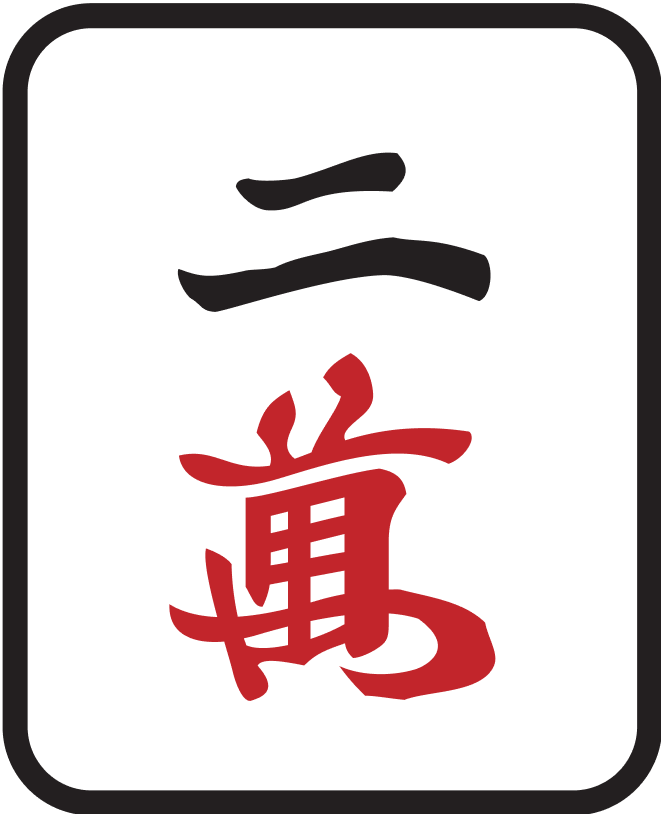
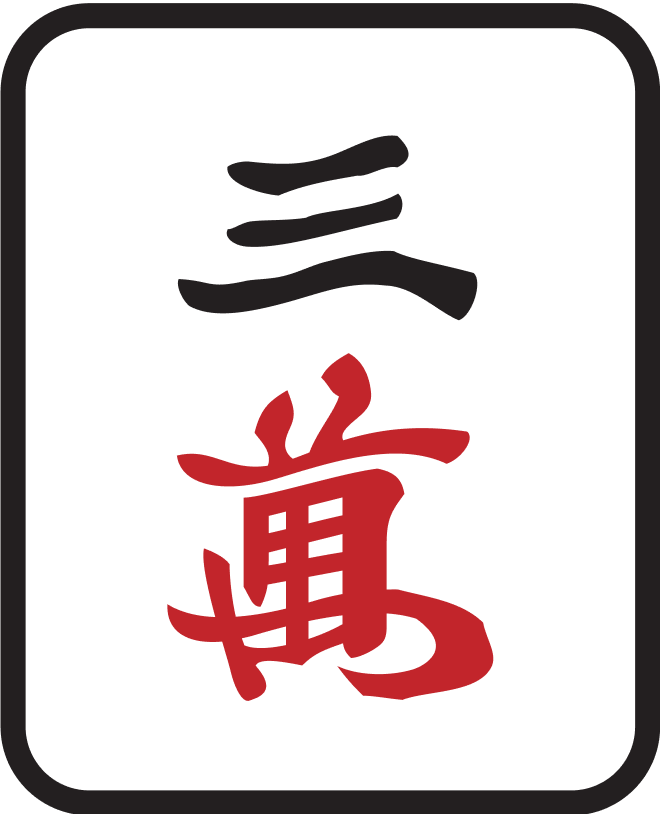


 are “ryanmen + ryanmen” compound shapes with 3 types of acceptance:
 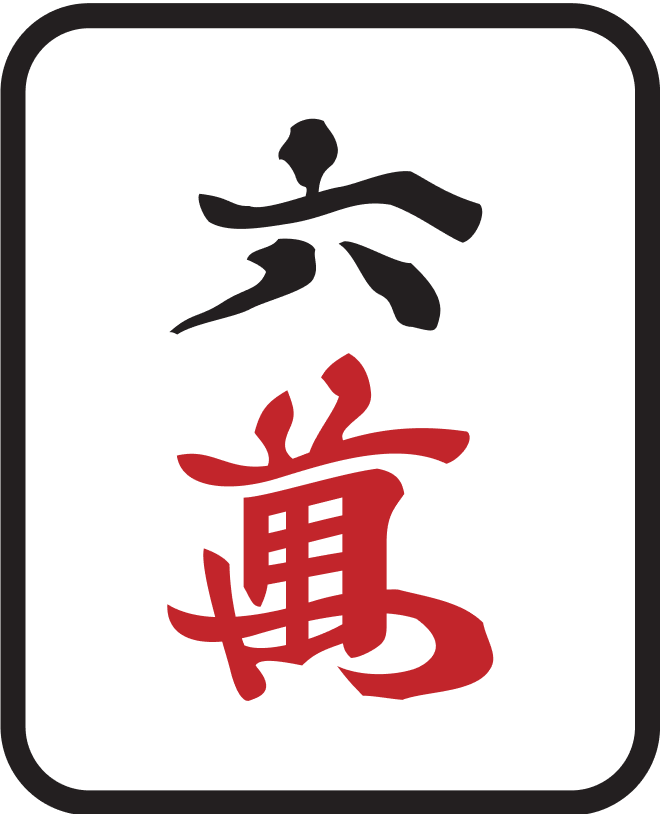 . Be careful not to break these compound shapes.